
YouTube monetization is set to undergo major changes in 2027, and creators who are planning to earn money from their channels need to understand the new requirements well in advance.
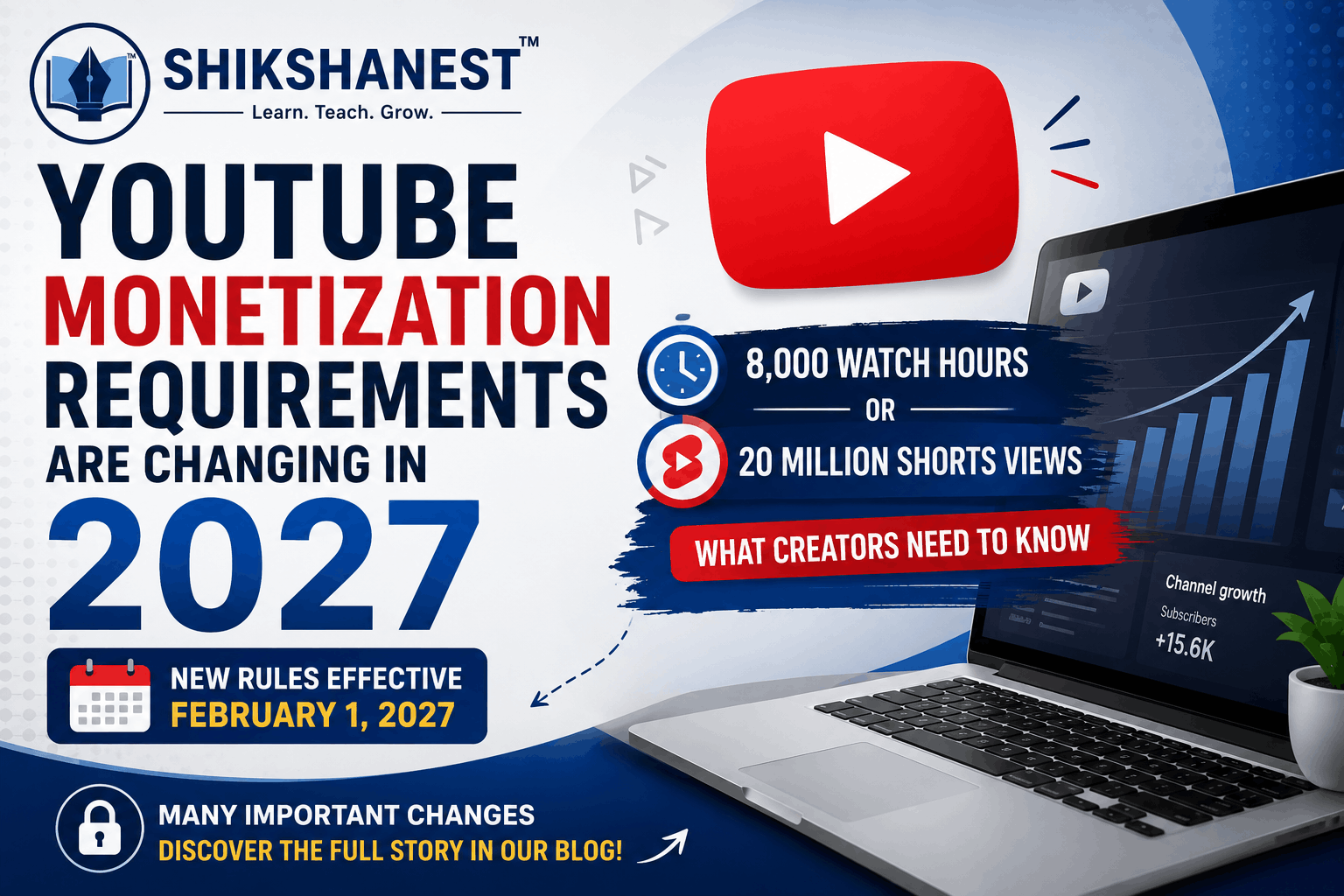
According to the source article, YouTube has announced changes to the eligibility requirements for new creators who want to access advertising and YouTube Premium revenue sharing. The new rules are scheduled to take effect on February 1, 2027.
For creators who are currently working toward monetization, this means it is important to understand the difference between the existing requirements and the upcoming requirements, especially if your channel is still growing.
What Are the New YouTube Monetization Requirements for 2027?
The basic subscriber requirement for full YouTube Partner Program monetization remains 1,000 subscribers.
However, the performance requirements for new creators are increasing.
Until January 31, 2027, creators can qualify for the full advertising and YouTube Premium revenue-sharing tier with:
- 1,000 subscribers
- 4,000 qualified public watch hours in the previous 12 months
OR
- 1,000 subscribers
- 10 million qualified public Shorts views in the previous 90 days
Starting February 1, 2027, the requirements listed in the source will become:
- 1,000 subscribers
- 8,000 qualified public watch hours in the previous 12 months
OR
- 1,000 subscribers
- 20 million qualified public Shorts views in the previous 90 days
Creators need the subscriber requirement plus one of the two performance routes. They do not need to achieve both the watch-hour and Shorts-view targets.
YouTube Monetization Requirements: 2026 vs 2027
Here is a simple comparison:
| Requirement | Until Jan. 31, 2027 | From Feb. 1, 2027 |
|---|---|---|
| Subscribers | 1,000 | 1,000 |
| Qualified public watch hours | 4,000 | 8,000 |
| Qualified Shorts views | 10 million | 20 million |
| Watch-hour period | 12 months | 12 months |
| Shorts period | 90 days | 90 days |
The most important change is that the performance targets for new creators are doubling, while the 1,000-subscriber requirement remains unchanged.
What Does This Mean for New YouTubers?
If you are building a YouTube channel from scratch, the upcoming changes could make the journey toward advertising revenue more challenging.
For example, reaching 8,000 qualified public watch hours in 365 days means averaging roughly 22 hours of channel watch time every day.
For Shorts creators, reaching 20 million qualified Shorts views within 90 days means averaging approximately 222,222 qualified views per day.
These numbers are eligibility thresholds. Reaching them does not automatically guarantee monetization because YouTube still reviews channels for compliance with its monetization policies.
This makes content quality, consistency, audience retention, and an effective YouTube SEO strategy increasingly important for creators.
The 500-Subscriber YouTube Monetization Tier Is Not Changing
There is an important distinction between YouTube’s earlier-access YPP tier and the full advertising revenue tier.
The source states that the 500-subscriber tier remains unchanged for eligible countries and regions.
Creators can qualify for this tier with:
- 500 subscribers
- At least 3 valid public uploads in the previous 90 days
- Either 3,000 qualified public watch hours in the previous 12 months
- Or 3 million qualified public Shorts views in the previous 90 days
This lower tier can provide access to eligible features such as channel memberships, Super Chat, Super Stickers, Super Thanks, and certain Shopping features.
However, it does not provide access to Watch Page ads, Shorts Feed ads, or YouTube Premium revenue sharing.
What If You Are Already Monetized on YouTube?
Existing YouTube Partner Program channels are not simply removed because of the new entry requirements.
However, existing partners will need to pay attention to additional activity and contract requirements beginning February 1, 2027.
According to the source, a YPP channel can be considered active if it meets at least one of these conditions:
- 1,000 qualified public watch hours in the previous 365 days
- 1 million qualified Shorts views in the previous 90 days
- Two long-form uploads or five Shorts uploads every 90 days
If a channel falls below the activity requirements, YouTube provides an extended 90-day period to restore active status through the specified watch-hour or Shorts-view routes.
For creators, the message is clear: getting monetized is not necessarily the end of the journey. Staying active and continuing to produce content will remain important.
Existing YouTube Partners Need to Review New Terms
Creators who are already part of YPP should also pay attention to updated monetization terms.
The source states that partners need to accept the relevant updated terms by January 31, 2027, in order to continue earning from associated features from February 1.
The updated modules may include:
- Watch Page Monetization Module
- Shorts Monetization Module
- Commerce Product Module, where applicable
Missing the deadline does not automatically remove a channel from YPP, but earnings from affected features can stop until the applicable terms are accepted.
Creators can review these terms through YouTube Studio by checking the dashboard or the Earn section.
What Counts as Qualified Watch Hours?
Not every minute watched on YouTube necessarily contributes to the YPP watch-hour requirement.
The source explains that qualified watch hours include watch time from eligible public long-form videos.
The following do not count toward the long-form watch-hour threshold:
- Private videos
- Unlisted videos
- Deleted videos
- Views generated through advertising campaigns
- YouTube Shorts
- Certain livestream watch time, including livestreams that are unlisted, deleted, or not converted to video on demand
This distinction is important because creators should track the correct metrics rather than relying only on the total watch-time number shown across their analytics.
What Counts as Qualified Shorts Views?
For the Shorts route, qualified views come from eligible public Shorts appearing in the Shorts Feed.
Views from private, unlisted, or deleted Shorts do not qualify. Views generated through advertising campaigns and image posts in the Shorts Feed also do not count according to the source.
Another important point is that Shorts Feed watch time does not count toward the long-form watch-hour requirement. The two monetization routes remain separate.
A New 10 Million Shorts Views Threshold for Ongoing Earnings
There is another important change that Shorts creators should understand.
Starting February 1, 2027, the source states that creators need 10 million qualified Shorts views over the previous 90 days to earn from the Shorts Creator Pool.
If a creator falls below this threshold:
- The creator can remain in YPP.
- Long-form earnings are not affected by this Shorts threshold.
- Shorts Creator Pool earnings can pause until the creator again reaches 10 million qualified Shorts views within the rolling 90-day period.
This is different from the 20 million Shorts views needed for a new creator to qualify for the full advertising and YouTube Premium revenue-sharing tier.
In simple terms:
20 million Shorts views = new full-YPP entry requirement
10 million Shorts views = ongoing Shorts Creator Pool earnings threshold
Understanding this difference is important for Shorts-focused channels.
What Should YouTube Creators Do Before February 2027?
If you are currently building a YouTube channel, don’t wait until 2027 to change your strategy.
Your next step should depend on your current channel position.
If You Are Close to the Current Monetization Requirements
Open YouTube Studio and check your current:
- Subscriber count
- Qualified public watch hours
- Qualified Shorts views
If your channel becomes eligible under the current requirements, review the application process through YouTube Studio.
However, creators should not assume that simply reaching the current threshold immediately before February 1 guarantees that the application will be reviewed under the old requirements.
If You Are Already in YPP
Existing partners should review and accept the updated monetization modules before the January 31 deadline.
If you create Shorts, also monitor your rolling 90-day qualified Shorts views so that you understand whether you remain above the ongoing Shorts earnings threshold.
If You Are Targeting the 500-Subscriber Tier
The 500-subscriber YPP tier remains available where eligible.
Creators should check YouTube Studio to determine which features are available to their channel and country.
If You Are Still Far From Monetization
Don’t try to chase every YouTube metric simultaneously.
Instead, choose the content format that matches your strengths.
If you are good at explaining topics in depth, long-form videos may be a better strategy.
If you can consistently create short, engaging videos, Shorts may be a stronger growth channel.
The key is to choose a strategy and track the metric that matters for that strategy.
YouTube Monetization Is About More Than Ad Revenue
One of the biggest lessons for creators is that YouTube income does not have to depend entirely on AdSense.
As your audience grows, you can potentially build additional revenue streams around your content.
Depending on your niche and audience, these could include:
- Digital products
- Online courses
- Services
- Affiliate marketing
- Brand sponsorships
- Memberships
- Consulting
- E-commerce
- Coaching
This can be particularly useful for educators, trainers, consultants, coaches, freelancers, and business owners who use YouTube to generate leads as well as views.
A YouTube channel can therefore become more than an advertising platform—it can become a digital marketing asset for your business.
Why YouTube Is Increasing the Requirements
According to the source, YouTube says the changes are intended to reward active creators, reflect changing viewer behavior, and help maintain the sustainability of the YouTube Partner Program as the creator economy continues to grow.
The company has also highlighted the enormous scale of YouTube, including more than 200 billion daily Shorts views and more than one billion hours of daily TV viewing.
The source also notes that YouTube has not specifically stated that these changes are designed to target AI-generated content, spam, or smaller channels.
For creators, however, the practical takeaway is straightforward: building a serious YouTube channel will require a stronger focus on quality, consistency, audience engagement, and content strategy.
New Earning Opportunities Are Also Emerging
While monetization requirements are becoming more demanding for new creators, YouTube is also expanding its earning ecosystem.
The source discusses Premium Lite and additional Shorts opportunities involving Shopping, brand deals, and other creator incentives.
However, creators should be cautious about planning their income around future incentives before those opportunities become available to their individual accounts.
Frequently Asked Questions
When will the new YouTube monetization requirements start?
The changes described in the source are scheduled to start on February 1, 2027.
Will existing monetized YouTube channels need 8,000 watch hours?
The new 8,000-hour requirement is described as the new entry requirement for creators seeking the full advertising and YouTube Premium revenue-sharing tier. Existing YPP channels are not simply removed from the program because of this new entry threshold.
However, existing partners will need to pay attention to the new activity and monetization-term requirements.
Do you still need 1,000 subscribers for full YouTube monetization?
Yes. The subscriber requirement for the full ads and YouTube Premium revenue-sharing tier remains 1,000 subscribers.
Can you still join YPP with 500 subscribers?
Yes, where the expanded YPP is available and the channel meets the applicable requirements. The 500-subscriber tier remains separate from the full advertising revenue tier.
What happens if a Shorts creator falls below 10 million views?
According to the source, the creator can remain in YPP, and long-form earnings are not affected. Shorts Creator Pool earnings can pause until the channel again reaches 10 million qualified Shorts views during the rolling 90-day period.
Final Thoughts for YouTube Creators
The YouTube monetization landscape is becoming more competitive.
For new creators, the biggest change is the increase from 4,000 to 8,000 qualified public watch hours or from 10 million to 20 million qualified public Shorts views for the full advertising and YouTube Premium revenue-sharing tier, while the 1,000-subscriber requirement remains the same.
For existing creators, staying active and keeping up with updated monetization terms will be important.
If you are serious about growing on YouTube, now is the time to start thinking beyond simply reaching the monetization threshold.
Focus on:
- Creating useful and original content
- Understanding your target audience
- Improving YouTube SEO
- Writing better titles and descriptions
- Creating attractive thumbnails
- Increasing audience retention
- Publishing consistently
- Using YouTube Shorts strategically
- Building an audience outside YouTube
- Developing multiple revenue opportunities
The creators who treat YouTube as a long-term digital marketing platform—not simply a way to earn advertising revenue—will be better positioned to build sustainable online businesses.
Learn Digital Marketing with Shikshanest Digital
Want to understand how YouTube, Google Ads, Meta Ads, SEO, content marketing, and other digital marketing channels work together?
Shikshanest Digital helps learners develop practical digital marketing skills that can be used for freelancing, business growth, client marketing, and online career opportunities.
Learn digital marketing with practical training and build the skills you need to grow in today’s digital economy. Explore our online digital marketing courses and gain the practical skills you need to grow, optimize, and monetize your YouTube journey.
Start learning with Shikshanest Digital and turn your digital skills into real opportunities.